The Radiation Safety Institute of Canada has an accomplished professional scientific staff with post-graduate degrees in the physical sciences:
Instructors
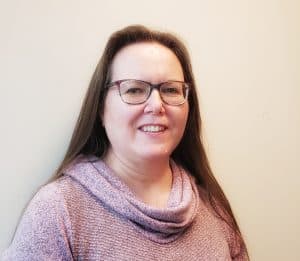 Lynn MacDonald, (BSc, BEd, MSc)
Lynn MacDonald is the Manager of Training and Liaison Scientist at the Radiation Safety Institute of Canada. In these roles, she educates workers in ionizing radiation safety including the related science and legislation. She works as a part of the scientific team to design, edit, and prepare materials for educational and consulting services, review relevant materials to include on the company website, and answer enquiries received through the Institute’s free information service.
Mrs. MacDonald comes to the Institute with an extensive teaching background. She has had experience in teaching and administration in the public school system in Prince Edward Island and Ontario, with 17 years of experience as a high school teacher, department head, and vice principal. Before this, she worked in adult education and web design. In 2009, she returned to graduate school at the University of Toronto to obtain her MSc in physics. After this, she completed additional graduate-level courses in biophysics at the University of Toronto.
Her scientific training includes work in condensed matter physics and biophysics. Her experimental physics research projects were in the areas of scanning tunneling microscopy (STM) of liquid cultures, non-linear pattern formation, and cellular biology in micro-fluidic systems. She is highly computer literate and has learned to program in many computer languages.
A believer in life-long learning, Mrs. MacDonald can relate well to training clients and their needs. Her strong scientific background and experience teaching to various learners allows her to translate technical subject matter into information usable to the trainee when they return to their workplace. Her skills as a professional teacher have been positively received by our course participants.
Ms. MacDonald is a member of the Canadian Radiation Protection Association (CRPA), the Canadian Association of Radon Scientists and Technologists (CARST), and the Health Physics Society (HPS).
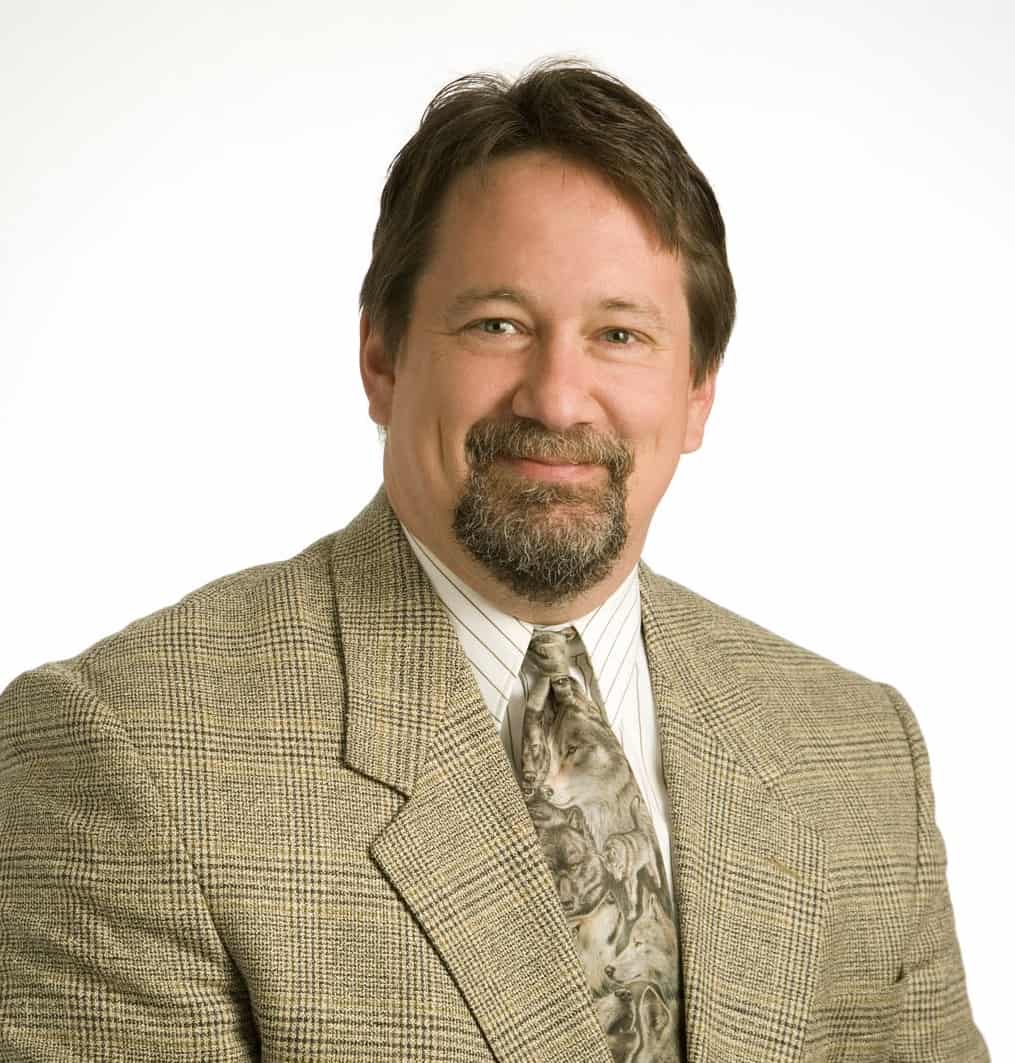
Brian Bjorndal (M.Sc. , P.Phys.) brings over 20 years’ experience in radiation safety and occupational health and safety in industry, academia and research. Before joining the Institute, he held positions as Director, Workplace Safety and Environmental Protection with the University of Saskatchewan, and Manager Safety and Radiation with AREVA Resources. Mr. Bjorndal managed the Institute’s National Laboratories during its formative years and was instrumental in the development and licensing of the Institute’s Personal Alpha Dosimetry service with the Canadian Nuclear Safety Commission. As Director of the National Laboratories, Mr. Bjorndal provides leadership and oversight of the National Laboratories staff and operations.
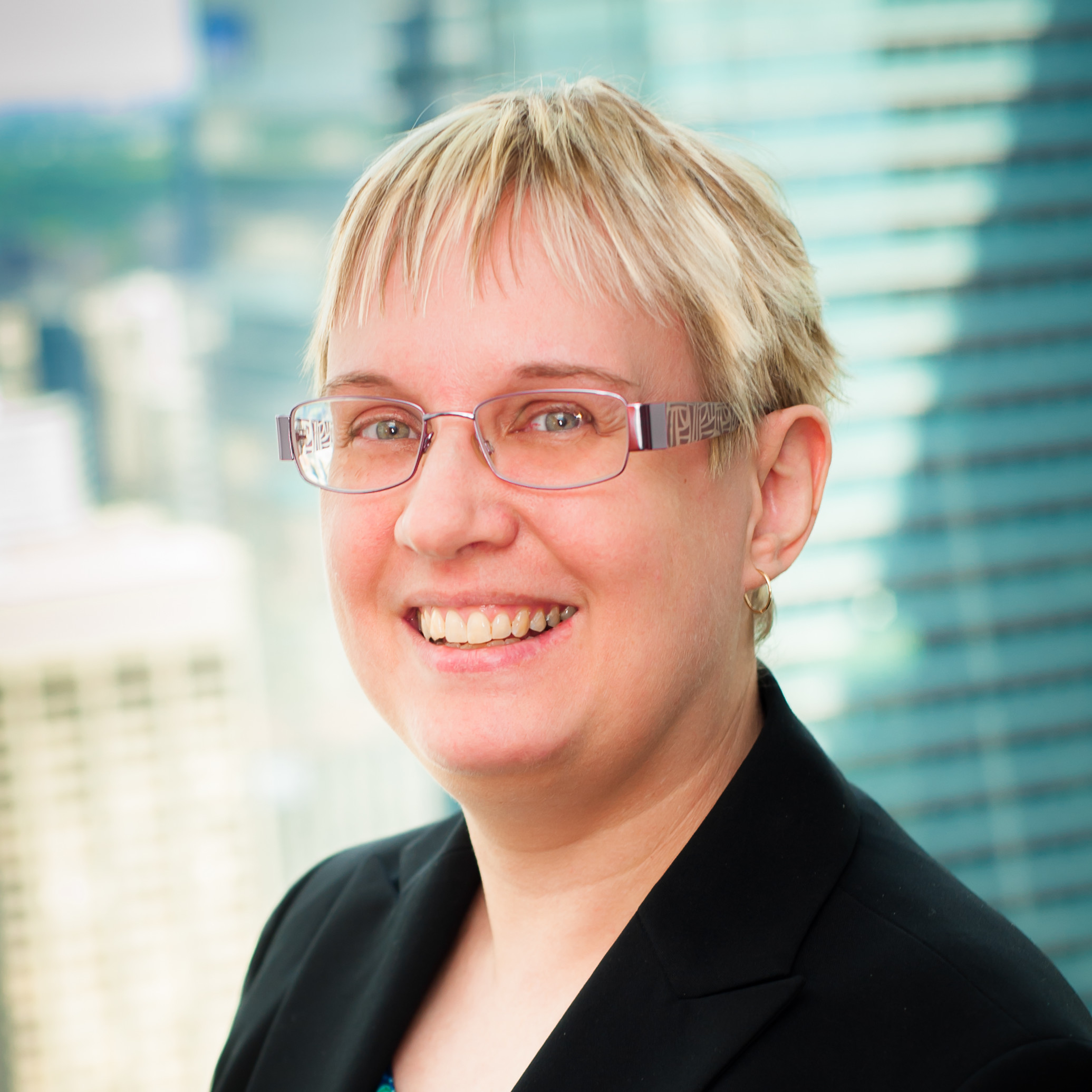
Laura Boksman (B.Sc., Physics – Medical/Health Option, McMaster University; M. Sc. Medical Biophysics, University of Western Ontario) Laura has over 15 years of Canadian nuclear industry experience. Operational Health Physics, Laboratory Management, Sampling and Analysis, Emergency Management, Training, Dosimetry, and Nuclear Waste Management and Decommissioning are just a few of the subjects in which she is very well versed.
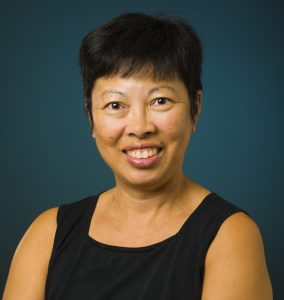
Kathy Mah (M.Sc. Medical Biophysics, University of Toronto; Fellow of the Canadian College of Physicists in Medicine FCCPM). With over 30 years’ experience in the application of physics to medicine, Kathy’s clinical and research interest at the Odette Cancer Centre at Sunnybrook Health Sciences Centre and the Princess Margaret Cancer Centre has focused on radiation therapy of cancers. She has overseen the quality control and commissioning of high energy linear accelerators, Computer Tomography (CT) scanners, Positron Emission Tomography (PET)-CT Scanners, and various radiographic systems. She was an Assistant Professor at the University of Toronto, teaching radiation physics to generations of radiation oncology residents, medical physics residents, and radiation therapy technologists. Her passion for teaching continues at the RSIC.
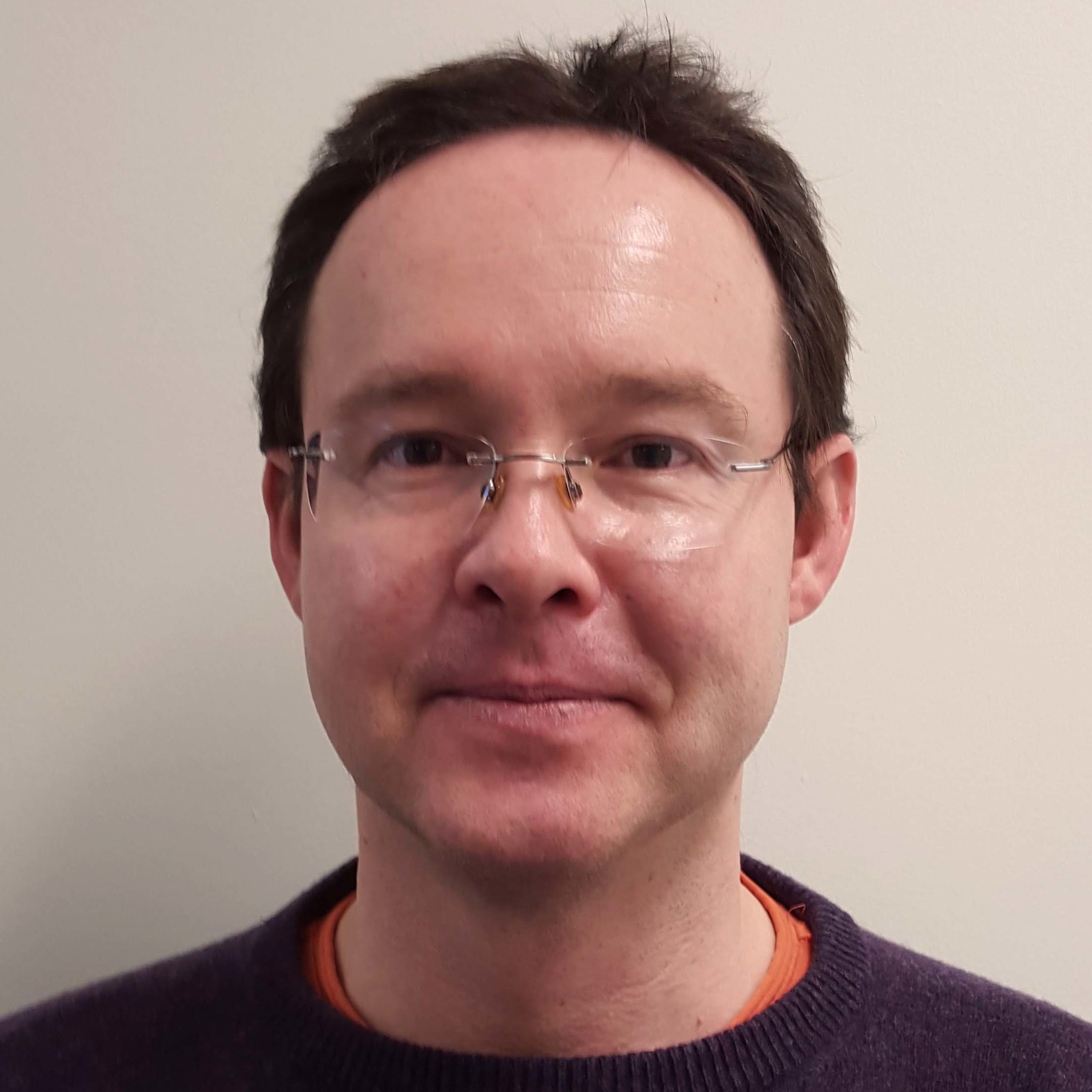
Octavian Mavrichi (B.Sc. and M.Sc. in Physics) is the Radiation Scientist at Dr. Fergal Nolan National Laboratories in Saskatoon. Octavian is responsible for data analysis, quality assurance and related research for all services offered by the laboratory. He also participates in delivering our training courses in Saskatoon. He is a registered member of the Canadian Radiation Protection Association and the Canadian Association of Physicists.
 Athena Wang, Radiation Scientist
Athena Wang (B.Sc. and M.Sc. in Physics, M.Ed.) is a Radiation Scientist at the Radiation Safety Institute of Canada. She is responsible for reviewing and delivering the educational courses offered at RSIC, contributing to our scientific consulting services, and managing RSIC’s social media presence.
Ms. Wang comes from a background in science and education. She received a master’s degree in physics in the field of bio photonics investigating the propagation of laser through photonic crystals used as cancer detectors. After this project, she went on to complete a master’s degree in teaching with a focus on using narrative and mythology as science pedagogy. Somewhere along the way, she volunteered for the David Suzuki Foundation and helped found Rain Gardens United, an environmental non-profit, which had the goal of promoting and facilitating the installation of rain gardens to manage urban storm-water and creating habitats for native plants and pollinators. She also has classroom experience teaching elementary, secondary and post-secondary in both the public and private education systems.