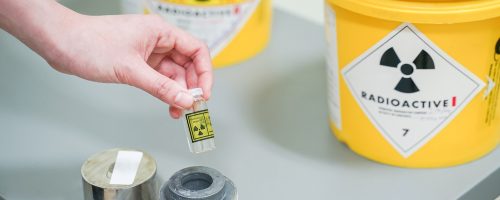
As winter weather approaches and we move activities indoors, it’s a good time to think about the quality of the air in our homes. Radon is a colourless, odourless gas that is produced from the natural breakdown of uranium in rocks and soil. Radon can enter a home through tiny openings in floors and foundations and build up to dangerous levels.
Long-term exposure to radon is the second leading cause of lung cancer in Canada. For smokers, the risk of developing lung cancer from radon exposure is even higher. Brian Stocks, air quality manager for the Ontario Lung Association, says the association is partnering with Health Canada “to raise awareness about the health effects of long-term exposure to radon gas and to promote the testing of homes. By learning about the health risks associated with radon and how to test your home, you can protect your family.”
Radon is found across Canada and any home can be at risk. The level of radon in a home depends on many things, including the amount of uranium in the soil, the number of entry points into the home, and the type and level of ventilation. Radon levels can vary between neighboring homes and even within a home from day-to-day. The only way to know if your home has high radon levels is to test. Health Canada recommends long term testing, for a minimum of three months, between September and April, when doors and windows are typically closed.
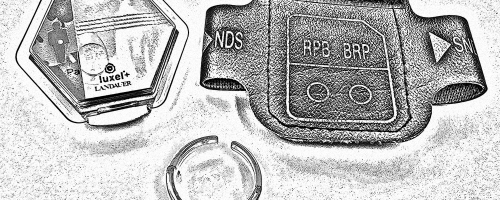
Radon testing is easy and inexpensive. Radon test kits can be purchased from major home supply stores such as Home Hardware (if not on the shelf, ask them to order you one) and Wal-Mart. Test kits can also be ordered on-line from organizations such as the Radiation Safety Institute. While both short-term and long-term tests are available, long term testing is recommended to get a more accurate indication of the annual average exposure to radon.
Once you have purchased the test kit, follow the instructions and place the detector in a suitable location. Testing should be done in the lowest area of the house where your family spends more than four hours per day (e.g. a basement bedroom, or lower-level family room). When the testing period is over, simply return the detector in the self-addressed envelope included with the kit. You will receive a report telling you how much radon there is in your home. Health Canada’s guidelines recommend that you take action to reduce the radon levels in your home if the test results are above 200 Bq/m3 (or approximately 4piC/L which is the American unit of measurement).
You can obtain a copy of Health Canada’s brochure, Radon: What You Need to Know, from the Ontario Lung Association by calling 1-888-344-5864, online at www.on.lung.ca/radon, or from Health Canada by calling 1-800-O-Canada. A guide called Radon: A Guide for Canadian Homeowners is also available from the Canada Mortgage and Housing Corporation – www.cmhc.ca.